By Andrian Putra
Buford Highway doesn’t announce itself the way a restaurant row is supposed to. There’s no arch, no gate, no curated string of lanterns telling you that you’ve crossed into somewhere special. Instead there’s six lanes of traffic, a blur of strip malls, and if you know where to look, some of the most unpretentious, uncompromising cooking in the Southeast. This stretch of road north of Atlanta has long done for Southeast Asian, Latin American, and East Asian food what certain famous boulevards have done: turned parking-lot plazas into destinations. Pinetree Plaza, a low-profile shopping center that’s been a way station for the region’s Chinese restaurants, Indonesian grocers for decades, is where the highway’s newest chapter is being written, this one in Bahasa Indonesia and Bahasa Melayu.
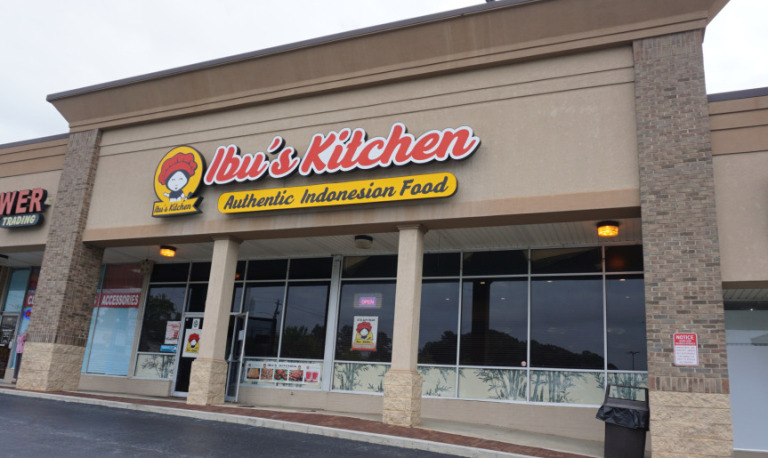
Ibu’s Kitchen opened here quietly about a year ago, and it has the unhurried confidence of a restaurant that knows exactly what it is. The name means “Mother’s Kitchen,” and there’s something to that: this is home cooking scaled up, not restaurant food dressed down. The chef and co-owner previously ran Tempo Doele, the beloved Indonesian grocery-and-restaurant hybrid that closed about a decade ago and left a real hole in Atlanta’s Indonesian dining scene, the kind of closure longtime Buford Highway regulars still bring up unprompted. Her partner in the new venture is a Malaysian transplant from Kemaman, on the Terengganu coast, and the menu reflects that binational partnership – Padang-style Indonesian classics sitting comfortably alongside Malaysian standards, the way you’d expect if you grew up eating across both cuisines’ porous, spice-rubbed border.
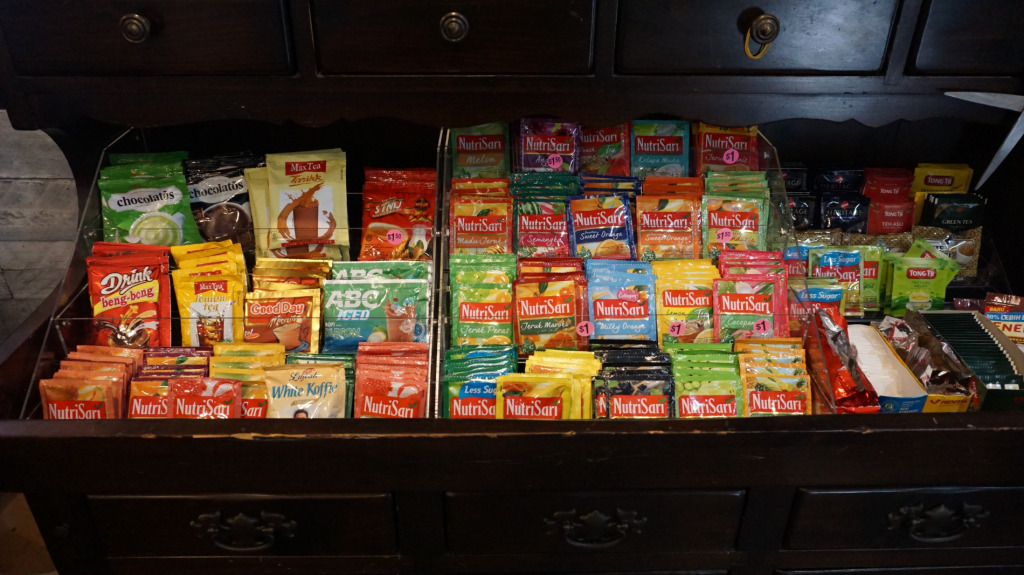
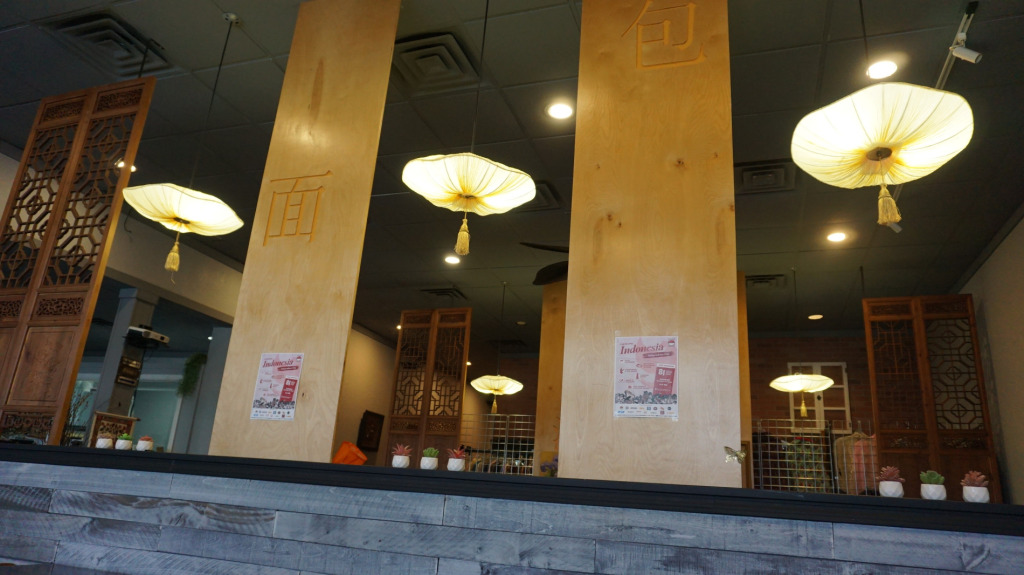
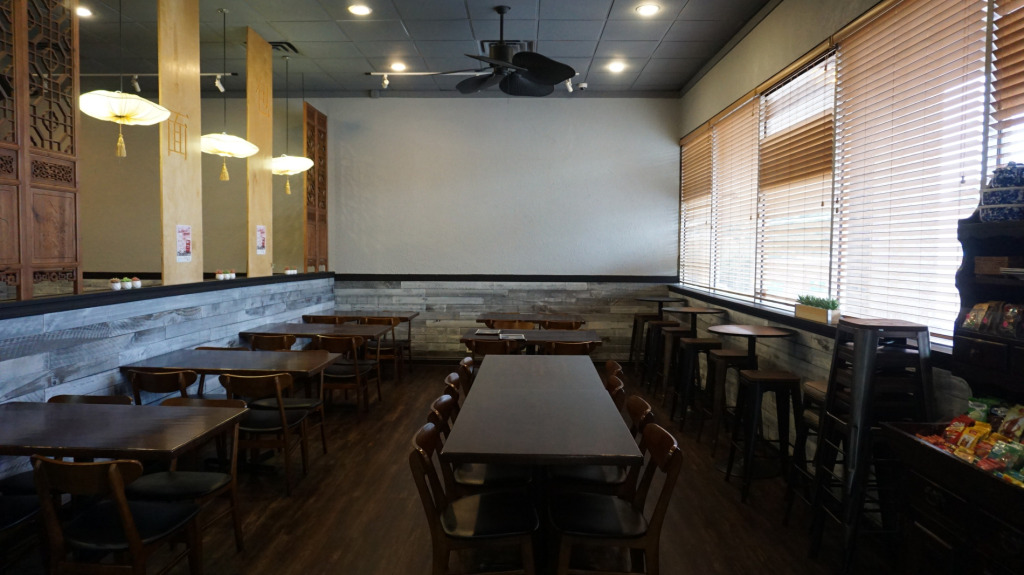
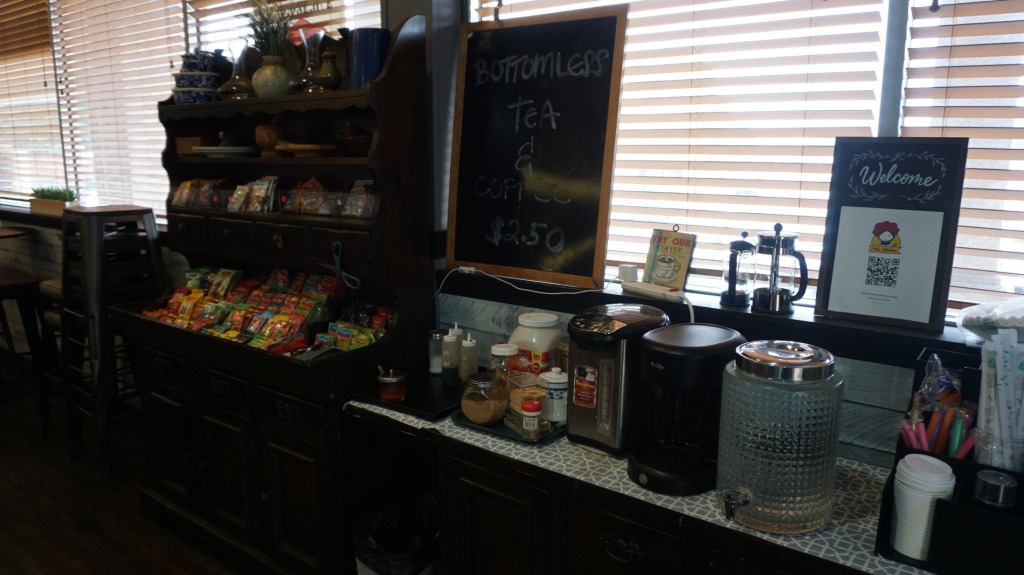
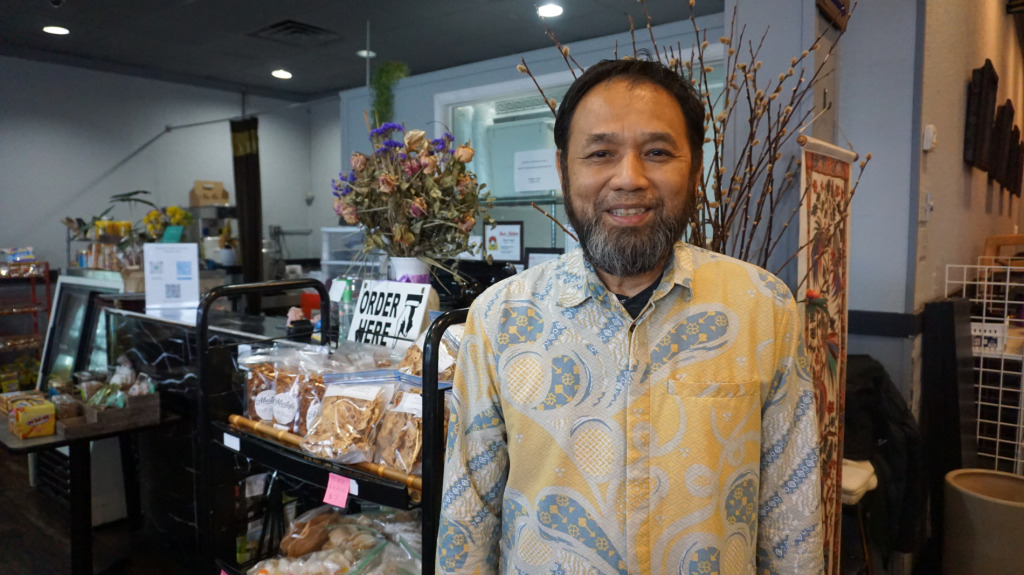
Mohammad Mansor, the co-owner, works the front of house himself, and it shows. He’s the kind of host who remembers what you ordered last time and steers first-timers away from the mild stuff. The room itself is dim and warm with dark wood tables, low lighting but redeemed from cave-like gloom by a wall of windows that floods the place with afternoon sun. It’s cafeteria-style grab your own tray, silverware, and drinks from the self-serve station, place your order, and wait. And you will wait, this is food cooked mostly to order, not flash-reheated, so budget some patience along with your appetite.
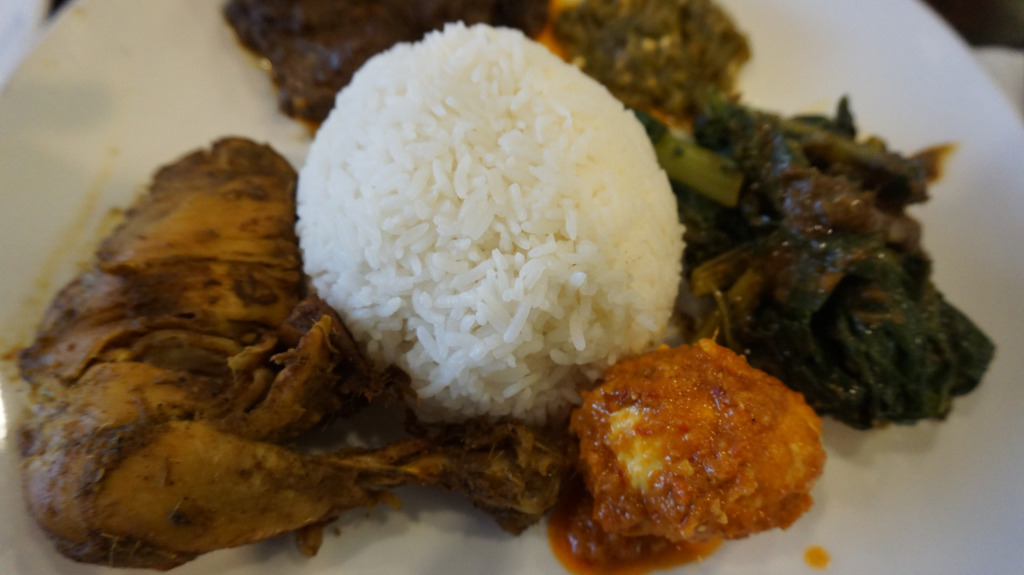
The dish to build a meal around is the Nasi Padang ($18.99), a proper West Sumatran spread built on a mound of steamed rice: beef rendang, spicy fried chicken, blanched collard greens, egg balado, and a green chili sambal on the side. The rendang is the real test of any Indonesian kitchen, and this one passes: dark, low heat, coconut-milk-braised beef that’s been cooked down until the sauce clings rather than pools, with the kind of layered warmth that only comes from hours, not minutes, on the stove.
The egg balado arrives glossy and fierce with chili, and the fried chicken is spiced through rather than just seasoned on the surface. Credit the collard greens, an ingredient that reads as pure Georgia even as it’s doing very Sumatran work here, for cutting through all that richness with something earthy and clean. Stir the green sambal into the rice itself, the way the regulars do, and the whole plate reorganizes itself around a fresh, sinus-clearing heat.
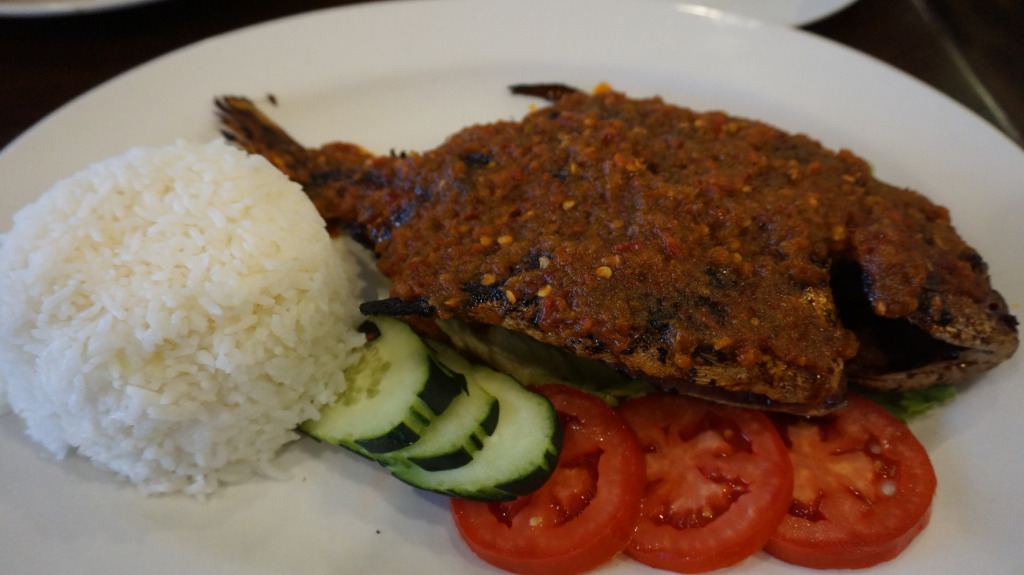
The Pampano Bakar Rujak ($25.99) is the showpiece: a whole grilled pompano charred over open flame and blanketed in a sambal belacan sweetened with kecap manis, that thick, molasses-dark soy sauce that shows up throughout Malay and Indonesian cooking wherever a dish needs body as much as sweetness. It’s a big, fragrant, faintly funky sauce – belacan is fermented shrimp paste, and it announces itself but it’s balanced rather than aggressive, built for eating with fistfuls of white rice rather than showing off.
For something more direct, the Ayam Goreng Penyet ($14.99) is the showpiece. A whole piece of fried chicken smashed flat and pestle full of raw sambal, so the chili paste works its way into every crack in the crust. It arrives with rice and a plate of raw vegetables for cooling relief, and there’s real char and smoke worked into the chicken from the grill. This isn’t just a fried cutlet with sauce dumped on top.
Come on the weekend, Ibu’s runs a buffet, $25 a head, all you can eat, and worth timing your visit around. Arrive when the doors open if you can; a steam table full of rendang and sambal loses something after the first hour of sitting, and this kitchen’s food is good enough that you want it at its peak.
The noodle roster is worth circling back for on another visit. Kwetiaw Goreng (wide rice noodles, wok-charred), Soto Mie (a turmeric-gold noodle soup), and Mie Ayam Bakso (chicken and meatball noodles). None of which made it onto our table this time but all of which are standard bearers of Indonesian street food, and worth a return trip on their own.
Tucked in one corner is a small bazaar stocked with Indonesian clothing and knickknacks. A reminder that restaurants like this one have always done double duty on Buford Highway, functioning as much as cultural anchors and informal community centers as they do dining rooms. It’s a tradition this corridor has kept alive since long before Doraville had any reputation to speak of outside the people who already knew.
IBU’S KITCHEN
5283 Buford Hwy NE (Pinetree Plaza), Doraville, GA 30340
Tel: (470) 469-9660
Website: https://ibu.kitchen
Hours: Mon 11 a.m.-6 p.m.; Tue, Wed, Sun 11 a.m.-9:30 p.m.; Thu 11 a.m.-9:30 p.m.; Fri-Sat 11 a.m.-10 p.m.
Prices: Entrees $14.99-$25.99. Weekend buffet $25 per person.