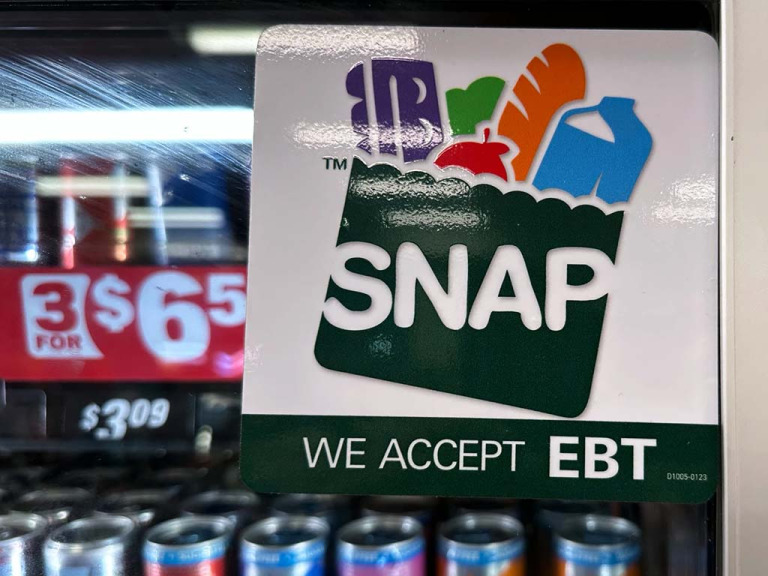
Atlanta, October 1, 2026 – Federal changes to SNAP, the food stamp program, are reaching Asian American households across metro Atlanta. These changes come from the One Big Beautiful Bill Act, which President Trump signed in July 2025. Refugee families in Clarkston were hit first. Now new work rules, more paperwork and a state budget squeeze are affecting families from Doraville to Duluth.
Refugees Lost benefits First
Most refugees, asylees and some other lawfully present immigrants can no longer get SNAP until they hold a green card. In January, about 8,000 people in Georgia lost their benefits, including many Bhutanese, Burmese, Rohingya, Nepali and Afghan families. For some households, this left a gap of $700 to $900 a month. New American Pathways in Clarkston turned a break room into a food pantry. One immigrant told Georgia Asian Times privately, “They cut the food, and they cut the healthcare.”
Some members of mixed-status families can still qualify. U.S.-born children remain eligible no matter what their parents’ status is. Green card holders also remain eligible, though adults often face a five-year wait. Pacific Islanders from the Marshall Islands, Micronesia and Palau are still allowed under the law.
Adults Must Work
Adults ages 18 to 64 who can work must now log 80 hours a month of work, training or volunteering. If they don’t, they lose benefits after three months. Parents whose youngest child is 14 or older are no longer exempt, and neither are veterans or people experiencing homelessness. Georgia began enforcing these rules in November 2025, and about 96,000 Georgians are expected to lose benefits.
Many elders and small-business workers in our community earn cash wages or work unpaid in family businesses, so their hours can be hard to prove. Exemptions still apply for people who are pregnant, have a health condition or receive disability benefits.
More Changes
Households with no member who is 60 or older or disabled may get less help with utility costs. Future benefit increases will now follow inflation only. As of today, the maximum benefit for a family of four is $1,023.
Georgia Under Pressure
Georgia’s SNAP error rate is among the highest in the nation, at about 15%. Starting today, the state pays 75% of the program’s administrative costs. Within a few years, Georgia may also have to cover part of the benefits themselves, which could cost it hundreds of millions of dollars a year. Families should expect stricter document checks.
Supporters say the changes reward work and reduce waste. Critics say millions of families nationwide will lose food aid.
What You Must Know
1. Answer every DFCS notice by its deadline. Ask for an interpreter if you need one.
2. Report any changes in income, address or who lives in your home.
3. Keep pay stubs or logs of your hours, and upload them at gateway.ga.gov.
4. Ask your caseworker whether you qualify for an exemption.
5. Apply for eligible children, even if the parents don’t qualify.
6. Appeal quickly if you think a decision is wrong.
These organizations can help with benefits, language access and emergency food: CPACS, Asian Americans Advancing Justice–Atlanta, New American Pathways, the International Rescue Committee and the Atlanta Community Food Bank.