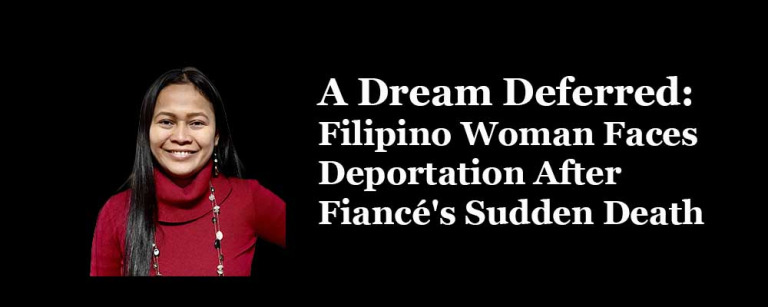
Atlanta, January 12, 2026 — For Rossana DeGuzman, the journey to America was supposed to mark the beginning of a new chapter. Instead, it has become a race against time.
The 42-year-old woman from Iligan City in the Philippines arrived in Georgia on Oct. 30 with a fiancé visa in hand and a decade of shared history with her partner. They had weathered years of separation while she worked as an overseas Filipino worker in Saudi Arabia. They had traveled together to the Philippines and Costa Rica. Now, finally, they would marry on American soil.
The wedding was set for Dec. 10, 2025 — delayed by just one day to accommodate the arrival of her fiancé's daughter from school.
But on Nov. 4, DeGuzman's fiancé fell ill and required emergency surgery. Sixteen days later, on Nov. 20, he died.
The loss left DeGuzman not only grieving but also legally adrift. Because the couple never formalized their marriage, she has no claim to his assets, limited access to his home, and no legal status to remain in the country beyond her visa's expiration date of January 26, 2026.
That deadline is now less than two weeks away.
“She doesn't have any cash, food, or transportation,” according to a document outlining her situation. Her name appears on no bank accounts, no property deeds, nothing that would tie her to the life she had begun to build.
Making matters worse, DeGuzman's laptop and passport were recently stolen, complicating her ability to secure the documentation needed to leave the country before her visa expires. Immigration attorneys note that overstaying even briefly can trigger a three-year ban on re-entry to the United States.
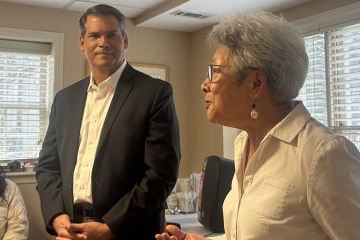
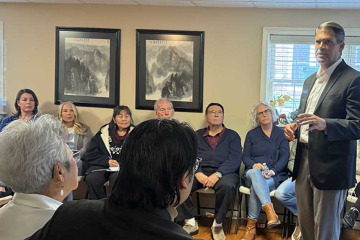
“It's a perfect storm of tragedy and bureaucracy,” said Jane Rolen, the host of Usapang Pinoy podcast, who had recently conducted a podcast recording with DeGuzman's. “The fiancé visa is designed to facilitate marriage within 90 days. When the intended spouse dies before the marriage, there's essentially no legal remedy.”
DeGuzman's case highlights the precarious legal position of fiancé visa holders, who exist in a liminal space between tourist and immigrant. Unlike refugees or asylum seekers, they have no path to extend their stay if circumstances change dramatically. Unlike spouses of U.S. citizens, they have no claim to bereavement protections under immigration law.
Consul Ray Donato, the Honorary Consul General of the Philippines in Atlanta, is now coordinating on her behalf to secure emergency travel documents. The goal is to get DeGuzman back to Iligan City before her visa expires, avoiding the automatic ban that would prevent her from returning to visit friends or pursue future opportunities in America.
For DeGuzman, who spent eight years working abroad in Saudi Arabia to support her family, the American dream has collapsed in a matter of weeks. The woman who came to build a life is now scrambling simply to leave with her legal status intact.
As the Jan. 26 deadline approaches, her case serves as a stark reminder of how quickly hope can turn to hardship, and how little margin for tragedy exists within the rigid framework of U.S. immigration law.
A GoFundMe page has been established to assist with Rosanna's living expenses and travel arrangements: GoFundMe
This article is based on background information provided by advocates working on DeGuzman's behalf. Georgia Asian Times could not independently verify all details.
Watch Usapang Pinoy Podcast