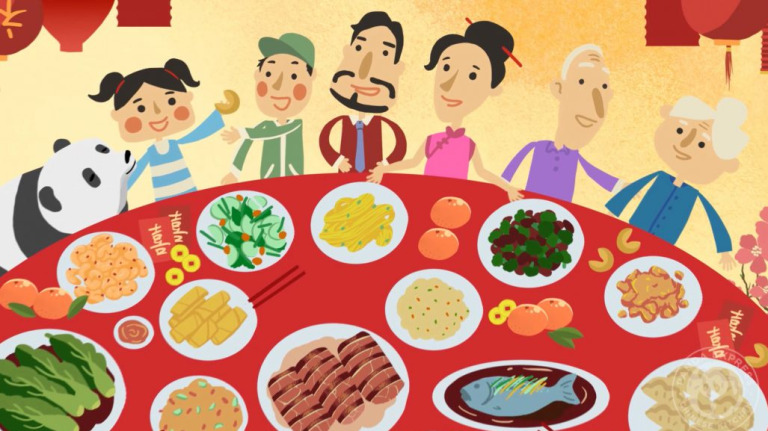
Throughout Asia and the world, families gather for Lunar New Year’s Eve reunion dinners featuring foods rich in symbolic meaning—each dish carefully chosen to invite luck, wealth, long life, and family harmony into the coming year. Here are twelve beloved traditional dishes, what they represent, and why they grace the table:
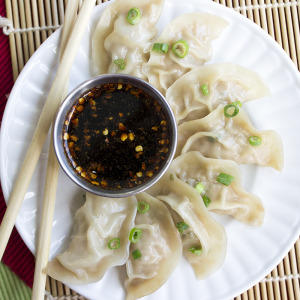
Dumplings (Jiaozi)
These crescent-shaped parcels look remarkably like the gold and silver ingots once used as currency in ancient China, making them a natural symbol of incoming wealth and prosperity. Making dumplings is typically a family affair on New Year’s Eve, with everyone pitching in to fold and pleat—a ritual that strengthens bonds and celebrates togetherness.
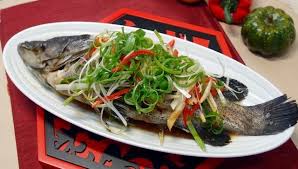
Whole Steamed Fish
In Chinese, the word for fish (“yu”) sounds nearly identical to the word for surplus or abundance, so a whole fish on the table means you’ll have plenty left over at year’s end and carry that prosperity forward. The fish is always served intact—head, tail, and all—to represent completeness and ensure both a strong start and a satisfying finish to the year ahead.
Longevity Noodles
These exceptionally long noodles must be eaten without breaking or cutting them, as their unbroken length symbolizes a long, healthy life. Whether stir-fried or floating in a fragrant broth, longevity noodles appear at Chinese, Japanese, and other Asian New Year celebrations as an edible wish for many years to come.
Whole Chicken
The Chinese word for chicken sounds like words associated with good fortune and auspicious beginnings, so a whole roasted or poached bird represents luck and prosperity. Keeping the chicken whole—complete with head and feet—symbolizes family unity and the promise of a year that begins and ends well.
Spring Rolls
With their golden, crispy exterior, fried spring rolls bear a striking resemblance to small gold bars, making them an edible symbol of wealth and material success. Their generous fillings also suggest a life filled with richness and plenty in the months to come.
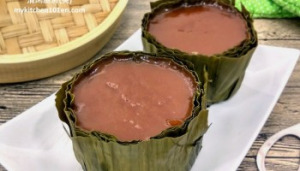
Niangao (New Year Rice Cake)
This sticky, sweet glutinous rice cake gets its auspicious reputation from a clever play on words: “niangao” sounds like “year higher,” suggesting promotions, growth, and rising success with each passing year. Its dense, chewy texture also represents the sticky bonds that hold families close.
Tangyuan (Sweet Rice Balls)
These soft, round dumplings floating in sweet syrup are all about reunion—”tangyuan” sounds remarkably similar to “tuan yuan,” the phrase for family reunion. Their perfectly round shape embodies unity and harmony, making them a must-have when loved ones gather to celebrate the new year together.
Korean Tteokguk (Rice Cake Soup)
In Korea, eating a bowl of this clear broth with thinly sliced rice cakes is how you officially mark the Lunar New Year and symbolically gain a year in age. The oval rice cake slices look like old Korean coins, symbolizing prosperity and the fresh start that comes with a new year.
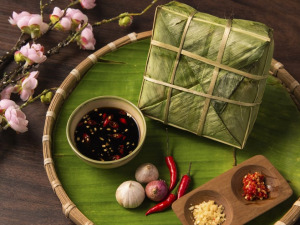
Vietnamese Bánh Chưng / Bánh Tét
These hearty sticky rice cakes—packed with pork and mung beans, then wrapped snugly in banana leaves—represent the earth itself and express gratitude for the year’s harvest. Their square or cylindrical forms and rich fillings convey abundance, respect for ancestors, and the filial piety central to Vietnamese New Year traditions.
Yusheng / Lo Hei (Prosperity Toss Salad)
In Singapore and Malaysia, this raw fish salad isn’t just eaten—it’s enthusiastically tossed in the air by everyone at the table while shouting lucky phrases, a tradition called “lo hei.” The higher you toss, the greater your fortune, and the fresh raw fish symbolizes abundance and rising success throughout the coming year.
Mandarins and Oranges
These bright citrus fruits show up everywhere during the New Year—on tables, in gift baskets, exchanged between families—because their golden color and round shape represent wealth and completeness. In Chinese, the words for these fruits sound like “luck” and “gold,” making them delicious little tokens of good fortune and happiness.
Lion’s Head Meatballs
These oversized braised pork meatballs get their name from their resemblance to a lion’s mane and carry the powerful symbolism of strength and protection. Especially popular in eastern China, their impressive size and round shape represent family unity and the promise of abundant blessings at the reunion feast.