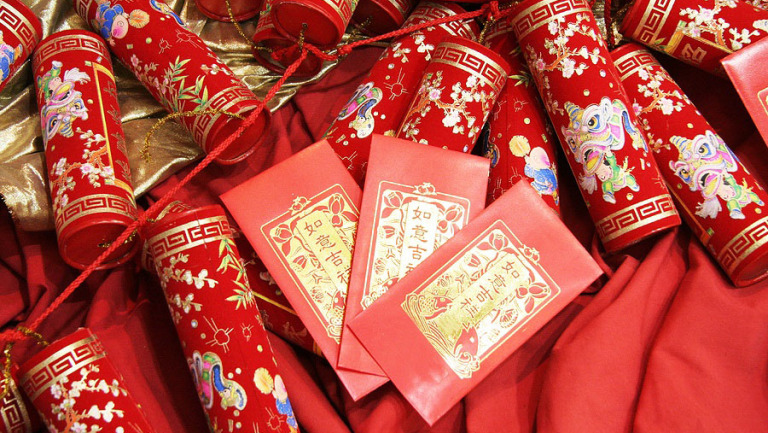
The Lunar New Year is more than fireworks, feasts and family reunions. Across the world, the arrival of the lunar new year is governed by ancient beliefs and precise rituals designed to attract luck, repel misfortune and set the tone for the coming months.
From the bustling streets of Hong Kong to the family altars of Suwanee, certain taboos are taken seriously — especially by older generations. Break them, and you might just sweep away your prosperity, invite ill health or even offend the spirits.
Here’s what to know if you’re celebrating — or simply visiting — during this most auspicious of holidays.
The universal rules
A few core principles cross borders:
- Don’t sweep or take out trash on New Year’s Day. You risk discarding your incoming wealth.
- Avoid arguments, tears and unlucky words — especially those related to death, loss or poverty. Harmony on Day 1 sets the pattern for the year.
- No breaking things. Shattered plates or mirrors symbolize broken relationships and bad luck.
- Wear red or bright colors. Dark or white clothing is associated with mourning.
- Settle debts before the new year. Start with a clean slate.
- Beyond these common threads, each region has its own intricate customs.
Vietnam: First feet, lucky money
In Vietnam, where the holiday is called Tết Nguyên Đán, the focus is on the first visitor of the year — a practice known as xông nhà. This person, ideally successful and born under a compatible zodiac sign, is believed to set the family’s fortune. Many families even prearrange an auspicious friend or relative to arrive just after midnight.
Children receive lì xì — lucky money in red envelopes — but the amount must be even. Odd numbers are frowned upon, and the digit 4 is avoided because it sounds like the word for death. Also taboo: giving black or white gifts (funeral colors) or medicine (implies sickness).
Hong Kong & Mainland China: Sharp objects, porridge and porridge
In Chinese communities, the use of knives, scissors and other sharp objects is forbidden on New Year’s Day — you could “cut off” your luck. Even hair washing is avoided by some, as it’s seen as washing away good fortune.
Breakfast matters: Eating porridge is discouraged because it was historically a poor person’s meal. Instead, start with sweet rice balls or longevity noodles.
Gifting pitfalls include clocks (the phrase “give clock” sounds like “attend a funeral”), pears (“to separate”), umbrellas (“break up”) and handkerchiefs (associated with tears).
Singapore & Malaysia: Multicultural Harmony
The taboos here align with Chinese customs, but with a local twist. The lo hei or yee sang prosperity toss — where diners collectively toss a raw fish salad — is a highlight. The higher the toss, the greater the luck, but let it spill off the table and you’ve made a mess of your prospects.
In Malaysia’s multicultural environment, many host “open houses” where friends of all backgrounds are welcomed. Halal sections are common out of respect for Muslim guests.
Thailand: Merit and the color pink
Thai-Chinese communities observe the usual taboos, but temple visits to make merit are a key addition. Interestingly, pink has emerged as a lucky color in recent years, partly influenced by the late King Bhumibol Adulyadej, who was associated with pastel hues.
Indonesia: Full wallets, sticky cakes
After decades of restriction, Lunar New Year is now a national holiday in Indonesia. Beyond standard taboos, there’s a unique gift-giving rule: Never give an empty wallet. Always place a little money inside to symbolize future abundance.
Kue keranjang, a sticky rice cake, is essential. It’s placed on altars and only cut after the 15th day of the new year.
Taiwan: All-night lights and long noodles
Taiwan preserves perhaps the most comprehensive set of traditions. Families leave lights on all night on New Year’s Eve to ward off evil spirits and guide ancestors. Children are encouraged to stay up late — a practice called shou sui — to pray for their parents’ longevity.
The reunion dinner always includes uncut noodles, symbolizing long life. And the first-month taboos are so strict that some treat it like Ghost Month, avoiding major decisions or travel.
Why it still matters
In increasingly modern and secular societies, do these rules still hold? For many, yes — not always as superstition, but as cultural heritage, a way to connect with elders and a framework for mindfulness as the new year begins.
“It’s about intentionality,” says cultural historian Linh Tran of Hanoi. “You start the year being careful with your words, respectful in your actions and conscious of your energy. That psychological reset has value, regardless of spiritual belief.”
So whether you’re dipping bánh chưng in Vietnam, tossing yee sang in Singapore or avoiding your hair wash in Hong Kong, remember: you’re participating in a centuries-old ritual of renewal. Just don’t sweep the floor until at least Day Two.
Note: Lunar New Year of the Horse 2026 begins on February 17. The New Year’s eve and first day of celebrations is the most critical for observing taboos, though some customs extend through the first 15 days of the lunar calendar.