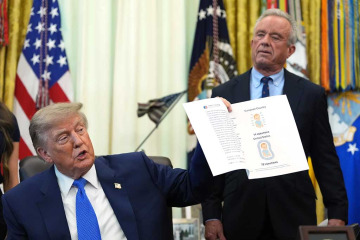
Washington DC, July 30, 2026 – Georgia seniors on Medicare’s prescription drug plans may want to brace for higher premiums next year. The Trump administration announced this week it’s ending a subsidy program that’s kept Medicare Part D premiums in check for the past two years, a move already stirring up a political fight ahead of the midterms.
The program, known as the Part D Premium Stabilization Demonstration, was created under President Biden to smooth out premium spikes as insurers adjusted to changes in the Medicare drug benefit. It’s affected roughly 25 million Americans enrolled in standalone Part D plans. That cushion disappears at the end of this year, after CMS decided the market has stabilized enough for insurers to set their own prices again.
CMS Administrator Dr. Mehmet Oz called the old arrangement a taxpayer-funded “bailout” for insurance companies and said most beneficiaries should see premiums rise by less than $10 — with some even seeing costs go down. The math backs this up on paper: the national base premium is set to climb from $38.99 to $41.33 in 2027, a roughly 6% increase, which is the maximum allowed under an Inflation Reduction Act cap that holds through 2029.
But researchers at KFF caution that averages can mislead. Plan-specific premiums won’t be released until September, and without the subsidy buffer, some enrollees could see steeper hikes than in recent years. The program being cut was worth about $3.6 billion in insurer subsidies this year alone — money Democrats are now pointing to as fresh evidence in an ongoing fight over health care affordability.
It is worth noting that this is separate from Congress’s decision not to extend enhanced ACA premium tax credits, a different program affecting people who buy insurance on the ACA marketplace, not Medicare.
For now, beneficiaries should sit tight. Real numbers won’t be clear until closer to fall open enrollment, and those with limited incomes can still turn to the Extra Help program regardless of what happens here.